Unforgettable Natural Beauty Examples from National Parks
Recent Trends: Social Media and the “Bucket List” Effect
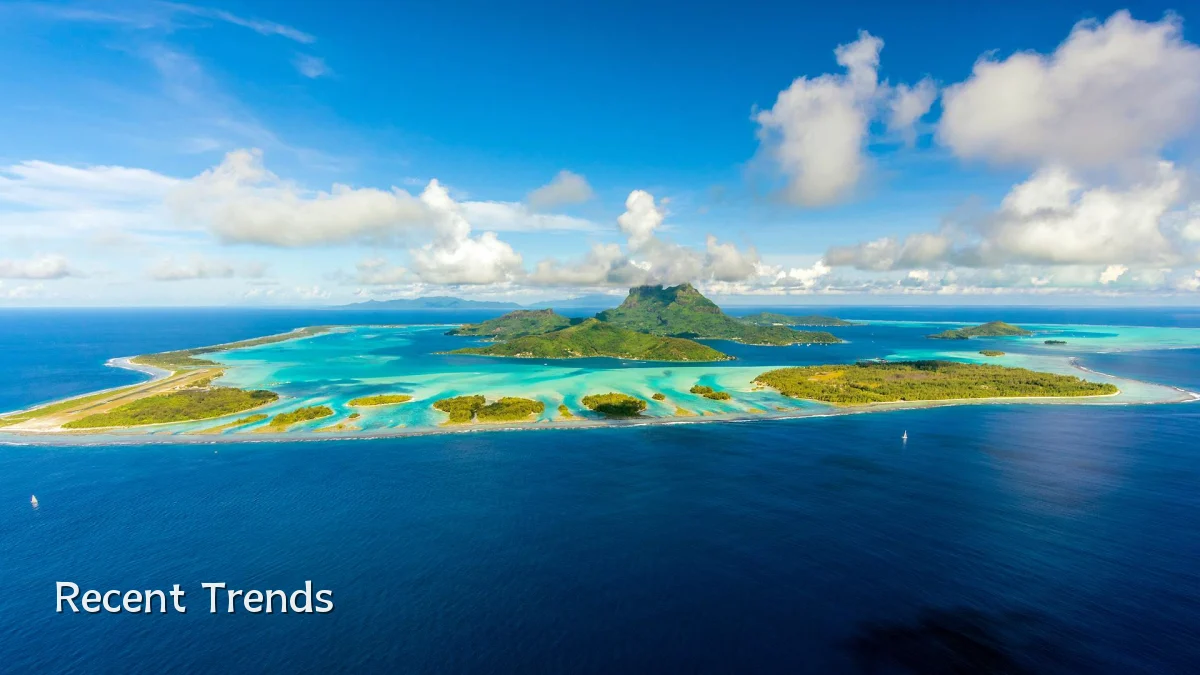
Short-form video platforms and photo-sharing apps have shifted how visitors discover and document landscapes. Geotags for lesser‑known park features now attract attention alongside iconic sites. For example, a single striking image of a moss‑draped canyon or a mirror‑still alpine lake can generate thousands of shares within days. Park officials note that this digital visibility often leads to sudden spikes in visitation at specific trailheads, especially during shoulder seasons.
- User‑generated content has elevated previously overlooked formations, such as hoodoos, slot canyons, and seasonal wildflower meadows.
- “Best time to visit” posts increasingly highlight sunrise and sunset windows to avoid crowds while capturing soft light on dramatic rock faces.
- Reservation systems for popular trailheads have become more common as parks try to manage the surge in day‑use visitors.
Background: What Defines “Natural Beauty” in a National Park Context
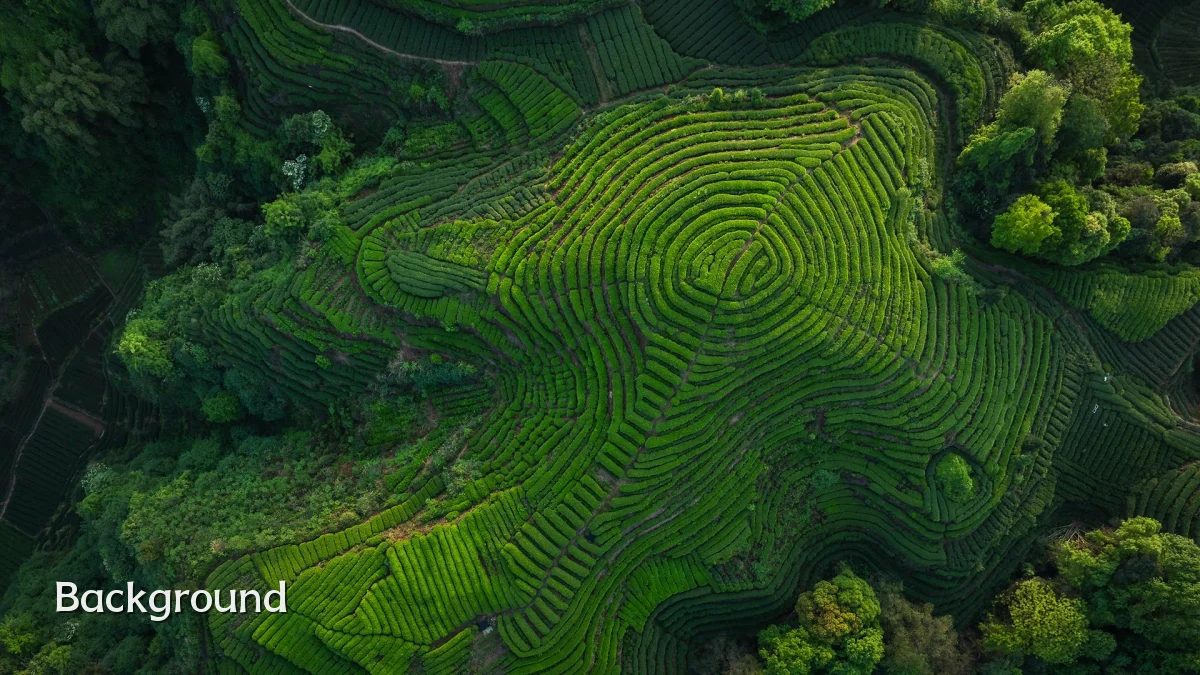
National parks are designated to preserve ecosystems, geological features, and cultural landscapes. The concept of natural beauty here is grounded in relatively undisturbed processes: erosion shaping cliffs, rivers carving gorges, and forests regenerating after fire. These examples are not artificially enhanced; their appeal comes from scale, rarity, or ecological richness. Over the past half‑century, park management has shifted from passive preservation to active stewardship, including controlled burns and invasive‑species removal, to maintain the integrity of these views.
- Geological examples: layered sedimentary rock that reveals millions of years of deposition; glacial valleys with U‑shaped profiles; hot springs with colorful microbial mats.
- Ecological examples: old‑growth stands where canopy gaps allow wildflowers; wetlands that host migrating waterfowl; meadows that change color with successive bloom cycles.
- Hydrological examples: waterfalls that vary dramatically by season; clear‑water rivers where gravel bars shift annually; playa lakes that appear only after heavy rain.
User Concerns: Accessibility, Crowds, and Expectations
As park visitation grows, many travelers worry that the “unforgettable” moments they see online may be compromised by congestion or limited access. Common concerns include finding parking at trailheads, encountering long lines at iconic viewpoints, and dealing with degraded trail conditions due to heavy use. Others question whether a park can feel truly wild when dozens of other people are present. Practical issues such as permitting lotteries for certain backcountry zones and timed‑entry systems also affect planning.
- Noise pollution: visitors sometimes report that drone buzz or loud groups disrupt the sense of solitude.
- Weather unpredictability: fog, smoke, or storms can obscure features, making timing and flexibility key.
- Physical fitness: many of the most striking examples require a hike of several miles or significant elevation gain, which not every visitor can comfortably undertake.
“The best natural beauty example is often the one you can experience without feeling rushed or pressured to get the perfect picture.”
Likely Impact: Changes in Park Operations and Visitor Behavior
If current trends continue, parks will likely expand timed‑entry systems and invest in shuttle networks to reduce vehicle pressure near popular viewpoints. Digital tools may provide real‑time crowd density maps, allowing visitors to reroute to lesser‑known beauty spots. Meanwhile, social media algorithms may shift toward smaller, off‑trail features (within regulations) as saturation grows at famous overlooks. We can also expect more emphasis on “leave no trace” messaging, especially around fragile geological formations where foot traffic can cause lasting damage.
- Infrastructure: improved boardwalks and viewing platforms at sensitive sites could protect vegetation while accommodating more people.
- Permit systems: may extend from backcountry camping to day‑use areas that have limited parking or fragile soils.
- Education: ranger programs and in‑park signage will likely highlight the ecological story behind each beauty example, not just its visual appeal.
What to Watch Next: Emerging Destinations and Techniques
Watch for national park expansions or new units in regions with distinct geology—such as canyons in the Colorado Plateau or volcanic landscapes in the Pacific Northwest. Also monitor the use of virtual tour technology that lets users preview conditions before traveling. In the near future, park‑approved “quiet hours” at certain overlooks may become a way to preserve the sensory aspect of natural beauty—where sound, light, and smell matter as much as the view.
- Restored landscapes: areas where dams have been removed or mining lands reclaimed may become new examples of how natural beauty can recover.
- Seasonal phenomena: such as synchronous firefly displays or annual bird migrations—will be managed more carefully to balance viewing with wildlife welfare.
- Community partnerships: local tribes and historical groups may co‑interpret cultural landscapes that add depth to the definition of natural beauty in parks.